

The Future of Long-Term Services & Supports: Centene’s Vision For Innovation, Access & Value
Demand for long-term services and supports is growing rapidly, and payers are playing an increasingly influential role in shaping how care is delivered, coordinated, and financed. In this keynote, Anna Keith, Vice President of LTSS Product and Strategy at Centene, will share insights from one of the nation’s largest Medicaid managed care organizations on the evolving LTSS landscape.
Drawing on Centene’s experience serving complex and vulnerable populations across multiple states, Keith will explore emerging strategies to improve care coordination, expand community-based services, and integrate behavioral health into LTSS models. Discover how innovation, data, and value-based approaches are helping payers and providers better meet the needs of aging adults and individuals with disabilities.
Anna Keith
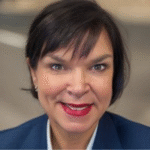
Anna Keith is Vice President of Long‑Term Services and Supports (LTSS) Product and Strategy, at Centene Corporation. She co-leads enterprise‑wide LTSS strategy, product development, and market alignment across Medicaid managed care programs. She works closely with health plans, providers, and community‑based organizations to advance person‑centered, high‑quality care models for individuals who rely on long‑term services and supports.
With deep expertise in Managed LTSS (MLTSS), value‑based contracting, and care coordination for complex populations, Anna focuses on aligning provider capabilities with managed care organization (MCO) priorities, including access to care, quality outcomes, prevention, and cost effectiveness. Her work emphasizes practical partnership strategies that help providers demonstrate value, improve performance on quality measures such as HEDIS, and strengthen collaboration across the care continuum.
Anna has led LTSS strategy across multiple state Medicaid programs, supporting innovation in home‑ and community‑based services, preventive care integration, and data‑driven performance improvement. She is known for translating managed care requirements and quality frameworks into actionable, provider‑friendly approaches that drive measurable results for members and health plans alike.
A frequent presenter and thought leader on LTSS managed care transformation, Anna is passionate about advancing partnerships that improve outcomes, promote independence, and support sustainable care delivery models.
New Perspectives On Sustaining Your Top Professionals

Recently, behavioral health organizations have been acknowledging the effects of working with, feeling empathy for, and having responsibility for trauma survivors. Whether this effect is referred to as vicarious trauma (VT) or secondary traumatic stress, there is no doubt that the work can influence a provider’s worldview, their sense of safety, their own relationships, their sense of hope, and their energy and enthusiasm for their work.
This presentation will challenge some of the myths of vicarious trauma, such as that work is entirely depleting and that home life is entirely fulfilling, and that there is such a thing as work-life balance. Presenters will discuss specific techniques employers can use to help sustain their top employees by growing their hope and energy in the workplace, thereby reducing turnover. Case studies will share strategies for developing skills to enhance employees’ work lives, to help employees thrive through intensity, to develop radical compassion, and to recover from crisis.
During the session, attendees will:
- Identify three myths about vicarious trauma and their alternative truths.
- List eight skills to sustain top employees and discover organizational plans to teach and support these skills.
- Identify agency structures to support providers in recovering from crisis, reducing fatigue and burnout.
Peggy Kelly, LPC-S

Peggy Kelly, LPC-S, is Chief Executive Officer of Youth Home, Inc. in Little Rock, Arkansas, where she leads strategic growth—expanding service lines and widening the agency’s geographic reach—while maintaining a commitment to trauma-informed, evidence-based care. Previously as Chief Clinical Officer, she oversaw all clinical services, diversified funding streams, launched new programs, and led a cultural transformation using the Risking Connections trauma‑informed care model.
She served five years as Director of Clinical Services at Jewish Family & Career Services (JF&CS) in Atlanta before returning to Arkansas in 2014 to join Youth Home. Peggy holds a B.S. in Business and Finance from the University of Arkansas and an M.S. in Behavioral Studies from the University of South Alabama. She has practiced in Alabama, Georgia, Michigan, and Arkansas, providing individual, family, and group behavioral health services, and has worked as an Employee Assistance consultant for Fortune 500 companies and a large hospital system, advising on policy development and implementation. Her areas of expertise include employee wellness, workplace violence, substance abuse, and conflict resolution.
Peggy serves on the boards of the Arkansas Behavioral Health Council and the National Association of Children’s Behavioral Health. She and her husband, Donnie, enjoy Arkansas’s mountains and lakes and attend concerts and outdoor festivals whenever time permits.
Patricia Wilcox, LCSW
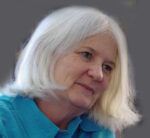
Patricia D. Wilcox, LCSW, is Klingberg’s Vice President of Strategic Development. She specializes in improving systems that treat traumatized children and their families. She created the Restorative Approach™, a trauma- and relationship-based treatment method. She is a trainer for Risking Connection® and a faculty member at the University of CT School of Social Work and the University of St. Joseph’s School of Social Work. She is the author of Trauma Informed Care: The Restorative Approach as well as several articles. She trains internationally on trauma-informed care, has presented at many national conferences, and has recently been offering training with her colleague, Aminah Ali, on topics supporting full inclusion in the workplace. She was the 2011 Connecticut Social Worker of the Year and, in 2022, was designated a Soroptimist Exceptional Woman.
AI & The 5-Year Plan: Building Productivity & Clinical Innovation Into Your Strategic Roadmap
Sponsored by: 
Most organizations are treating AI as a pilot project or a point solution. The leaders who will be ahead in five years are treating it as a strategic planning input — as fundamental to their roadmap as workforce or facilities decisions.
Join Ravi Ganesan, President & CEO of Core Solutions, as he lays out what behavioral health and human services executives need to understand about AI right now to build it into their next 5-year strategic plan — not as a side initiative, but as a driver of productivity, cost structure, and clinical care model design.
This session moves beyond the point-solution conversations to the level where CEOs and boards actually operate: how AI reshapes the strategic plan itself, from investment sequencing to the care delivery model to workforce structure over a multi-year horizon.
Attendees will leave with:
- A framework for where AI fits across a 5-year planning horizon — near-term productivity wins vs. longer-term care model transformation
- Real-world examples of AI driving both operational efficiency and clinical innovation
- Questions every strategic plan should answer about AI investment, governance, and workforce impact before it’s finalized
Ravi Ganesan

Ravi Ganesan is the founder and CEO of Core Solutions, where he leads the revolution in behavioral health through artificial intelligence and other leading-edge technologies. With over 25 years of dedication, Ravi has addressed the unique challenges of the health and human services industry by developing innovative EHR technology, significantly improving treatment outcomes. His deep expertise in healthcare and technology, combined with a strong commitment to customer satisfaction, has established Core Solutions as a leading software provider nationwide.
Under his leadership, Core Solutions has pioneered AI-driven solutions for clinical documentation, treatment planning, and care delivery optimization in behavioral health settings. As CEO, Ravi has successfully established partnerships with large providers, government agencies, and leading management consulting firms to improve treatment for behavioral health and intellectual and developmental disability services.
Ravi is a recognized thought leader and frequent speaker on AI implementation, data-driven decision-making, and digital transformation in healthcare. Ravi received his M.B.A. from St. Joseph’s University in Philadelphia.
Building Leadership That Lasts: Designing Scalable Development Programs For A Multigenerational Workforce With Thresholds
Developing strong, sustainable leadership pipelines is a strategic imperative for behavioral health organizations facing workforce complexity and constant change. This session explores how one organization designed and implemented a comprehensive leadership development program that spans all supervisory levels, including senior leadership, ensuring alignment, consistency, and long-term impact.
Participants will learn how to move beyond one-time training events to build a structured, multi-year leadership strategy that includes ongoing support mechanisms such as coaching, check-ins, and onboarding pathways for emerging leaders. The session will also address one of today’s most pressing workforce dynamics: leading across four generations. Attendees will gain practical insights into tailoring leadership approaches to engage, motivate, and retain a diverse workforce with varying expectations and communication styles.
Key takeaways include:
- Actionable strategies to create a sustainable model for developing leaders at all levels in behavioral health
- Tools to strengthen leadership capacity and improve organizational culture
- Approaches to tailoring leadership training for different generations
Sterling Haukom Anderson, LPC

Sterling Haukom Anderson, LPC has worked in the mental health field for over 13 years and is currently the Vice President of Learning & Development at Thresholds. She has provided clinical and case management support to individuals living with severe mental illness and has developed and delivered trainings, eLearning, and consultations for both internal and external audiences on a range of topics. Sterling earned her Master’s in Counseling from DePaul University in 2012.
Built To Scale, Not To Break: A Growing Population Health Organization’s Guide To People + Finance Infrastructure
Sponsored by: 
This session tells the story of Alera Health’s growth from a startup-stage population health management organization to a scaling, multi-network well-oiled machine — and what it took on the people and financial sides to make that happen without losing the mission. It is designed for executive leaders who may be direct providers, administrators, or organizational leaders looking for practical frameworks they can apply to their own growth journeys.
Kye Gardner, SHRM-SCP

Kye Gardner, SHRM-SCP, serves as Senior HR & Operations Manager at Alera Health, bringing over 10 years of progressive experience across HR, operations, IT, marketing, and organizational development. Trusted with building scalable infrastructure from the ground up, Kye has led Alera’s people and operations strategy since 2020 — guiding the organization through 300%+ growth. As a key architect behind Alera’s HR infrastructure, governance frameworks, and operational systems, Kye partners closely with leadership to translate organizational growth into sustainable, people-first systems while championing the mission of Alera Health.
Jenna Emery, EA

Jenna Emery, EA, serves as Controller at Alera Health, bringing over 18 years of experience to an ever-evolving accounting landscape. Known for her precision and strategic insight, Jenna oversees the organization’s accounting functions, financial reporting, and budget development. As a key architect behind Alera’s financial performance metrics, she partners closely with leadership to translate day-to-day data into long-term organizational strategy—ensuring the company scales with absolute clarity and confidence.
Build, Buy, Or Both? A Decision Framework For Revenue Cycle Management
Behavioral health organizations are under mounting pressure as staffing shortages, rising denial rates, increasing reimbursement complexity, and shrinking margins force leadership teams to rethink how they manage the revenue cycle. Some are investing in internal teams. Others are outsourcing entirely. And a growing number are landing somewhere in between.
This session offers a practical decision framework for evaluating your RCM model through the lens of a real-world provider journey. Attendees will explore the costs, tradeoffs, staffing considerations, operational complexities, and outcomes that shaped one organization’s decision to build internal capabilities, partner strategically, and evolve toward a co-sourced approach. Participants will leave with actionable insights for evaluating their own revenue cycle strategy.
Tami Lewis-Ahrendt

Tami Lewis-Ahrendt is President and CEO of CenterPointe, where she has spent more than 18 years helping transform the organization’s culture and expand access to behavioral healthcare — from leading the acquisition of the Campus for Hope to launching CenterPointe’s Certified Community Behavioral Health Clinic. She holds a master’s degree in Critical and Creative Thinking from the University of Nebraska Omaha and is a graduate of Leadership Lincoln’s Executive Class 30.
Sonia Lucas

Sonia Lucas is Vice President of Revenue Cycle Management Services (RCMS) at Qualifacts, where she leads strategic initiatives that help behavioral healthcare organizations optimize financial performance and operational efficiency. With more than 25 years of experience in healthcare technology, SaaS, customer operations, business development, and leadership, Sonia has held executive roles spanning customer support, analytics, sales, and partner services. Throughout her career, she has focused on helping healthcare organizations improve outcomes through technology, innovation, and service excellence.
Tammy Selleck
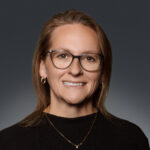
Tammy Selleck has a BS in Accounting and an MBA from Indiana University Kelley School of Business. She has accounting experience in both the public and private sectors. She is a former BH CFO with 11 years of service with Qualifacts in Revenue Cycle Management across multiple areas of focus. In addition, she is a specialist in assisting agencies in bridging the gap to success in the revenue cycle through evaluation of people, processes, and systems.
Leading Through Change By Creating Agile Teams
Behavioral health organizations are operating in a period of constant change—from new payment models and regulatory shifts to workforce shortages and evolving care delivery expectations. For today’s executives, the ability to lead organizations through change is no longer optional; it’s a core leadership competency.
This session will explore practical change management strategies tailored to behavioral health organizations. Leaders will learn how to align teams around a clear vision, communicate effectively during periods of transition, and build cultures that are resilient and adaptable. Speakers will share lessons learned from implementing major organizational changes—from restructuring services to adopting new technologies—and discuss how leaders can engage staff, reduce resistance, and sustain momentum in a rapidly evolving environment.
Jeffrey Ralph, Ed.D.

Jeff has held various positions within the field of Juvenile Justice. The majority of his time has been spent as a Treatment Supervisor at a residential placement for adjudicated youth. Prior to joining the JusticeWorks team, he oversaw clinical and operational systems as a Unit Manager in the Philadelphia Prison System. Jeff joined JusticeWorks in October of 2013.
He holds a Bachelor’s Degree in Criminal Justice and a Master’s Degree in Administration of Justice, both from Shippensburg University. Jeff obtained his Doctorate in Education in Organizational Leadership from Wilmington University. Jeff’s expertise has been recognized by his appointment as an adjunct professor at Wilmington University and Eastern University, where he teaches part-time.
Transforming The Approach To Children With Complex Conditions
Children and their families with the most complex behavioral health conditions are often left navigating a fragmented system of care–moving between emergency departments, hospitals, residential programs, child welfare settings, foster homes, schools and other systems that were never designed to work seamlessly together. For health care leaders, the challenge is not simply how to provide more services, but how to fundamentally rethink the way these children and their families are supported.
This session will examine emerging approaches to serving children with complex behavioral health and developmental needs, with a focus on the system-level strategies leaders can use to build greater capacity and improve outcomes. The discussion will explore why traditional models often fall short for children with the highest levels of need and how organizations can leverage innovative models, community-based supports, and cross-system partnerships to create more effective pathways to care. For executives and strategic decision-makers, this conversation will provide a framework for moving from a reactive approach to complex care toward a more coordinated, proactive, and sustainable system of support.
Join this session to:
- Explore innovative care models and support strategies that can improve outcomes for children with significant complex care needs
- Examine how health care, behavioral health, child welfare, education, and community systems can collaborate more effectively
- Identify opportunities to build organizational capacity and reduce reliance on emergency, institutional, and other crisis-driven settings.
Nancy Thaler
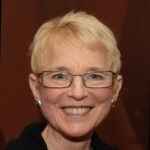
Ms. Thaler, a consultant to federal and state governments on Medicaid and disability policy, brings both direct service experience and senior leadership expertise to her work. She began her career providing community services for children and adults with developmental disabilities in Pennsylvania, serving as a direct care worker, residential supervisor, and in various management roles. Ms. Thaler has held senior positions including State Director of Pennsylvania’s Office of Developmental Programs; Director of Quality Improvement at the U.S. Department of Health and Human Services’ Centers for Medicare & Medicaid Services (CMS); Senior Policy Advisor in the HHS Administration for Community Living (ACL); and Executive Director of the National Association of State Directors of Developmental Disabilities Services (NASDDDS). Her experience as the adoptive parent of a son with neurodevelopmental disabilities informs and enriches her professional work.
Stacy Nonnemacher, Ph.D.

Dr. Stacy Nonnemacher is the Director of Cross-Systems Strategies for the National Association of State Directors of Developmental Disabilities Services (NASDDDS). She is responsible for leading NASDDDS’s efforts to support states in developing a continuum of positive supports for people with dual diagnosis, medical complexity, multi-system involvement (including law enforcement and judiciary), and other populations with complex support needs. Capitalizing on almost thirty years of experience in the field, Dr. Nonnemacher’s current role involves collaborating with the entire NASDDDS team to infuse principles of trauma-informed systems and support into all policy and practice initiatives, and ensuring that existing priorities are reflected in all facets of this body of work. In her role as the Director of Cross-System Strategies, she serves as a key team member for The Link Center, a Project of National Significance funded by the Administration of Community Living. Stacy serves as a liaison with federal partners such as the National Association of State Mental Health Program Directors (NASMHPD), NADD, the National Association of Head Injury Administrators (NASHIA), and others informing emerging priority areas.
Stacy most recently served as the Clinical Director for Pennsylvania’s Bureau of Supports for Autism and Special Populations in the Department of Human Services’ Office of Developmental Programs. In this role, she influenced and informed policy and programmatic decisions related to state Medicaid programs, focusing on clinical practices and behavioral science to effect change and create best practices in supporting people, their families, and other supporters.
Dr. Nonnemacher earned her Ph.D. from Lehigh University, where she focused on applied research and capacity building to foster sustainable, positive change in the lives of individuals and their families.
Leadership Approaches To The Ethical Uses Of AI: An Interactive Discussion Session
Artificial intelligence is changing how organizations recruit, schedule, support, and manage their workforce. As these tools become part of everyday operations, executive leaders must ensure AI is used in ways that are ethical, transparent, and aligned with organizational values while maintaining employee trust and accountability.
In this interactive discussion session, attendees will examine real-world AI scenarios related to workforce management and organizational leadership. Through facilitated discussion, participants will explore the leadership decisions each scenario requires, discuss the legal and ethical considerations involved, and identify practical approaches for establishing responsible AI policies across their organizations.
Stuart Buttlaire, Ph.D., MBA

Stuart Buttlaire brings over 35 years of executive, clinical, and policy experience to OPEN MINDS. Dr. Buttlaire has experience in both the public and private sectors of healthcare providing leadership and direction in healthcare delivery. His career has focused on advancing integrated behavioral health and addiction medicine through strategic innovation, system redesign, quality improvement, and sustainable policy reform.
Previously, Dr. Buttlaire was the Regional Director of Behavioral Health and Addiction Medicine for Kaiser Permanente. In this role, Dr. oversaw a $200 million portfolio serving 4.6 million members across 23 emergency departments and 33 medical centers. He led development and operations across inpatient, ambulatory, emergency, call center, and contracted community services, supporting more than 2,500 mental health and substance use disorder providers. His leadership resulted in significant system transformation grounded in person-centered, measurement-based, and integrated care models. Dr. Buttlaire was also the lead Mental Health Representative for State Program Initiatives, including Medicaid (Medi-Cal) and Medicare. He pioneered the design and implementation of two psychiatric inpatient units, including a nationally recognized medical/psychiatric unit for individuals with complex co-morbidities. Additional innovations include integrated urgent services for youth and adults, intensive outpatient programs, multi-family group treatments for severe psychiatric conditions, and a mobile app for eating disorders that earned Kaiser’s Innovation Award.
Dr. Buttlaire is a widely respected advisor on behavioral health policy, legislation, and regulatory strategy. He has worked closely with state and federal agencies on issues of parity enforcement, financing reform, Medicaid redesign, and systems integration. He currently serves as Board President of the Institute for Behavioral Health Improvement, is a Board Member of NAMI California, and sits on the California Hospital Association Behavioral Health Advisory Board. He previously chaired the Behavioral Health Section of the American Hospital Association and was appointed to the AHA Regional Policy Board for the Western U.S.
As a frequent speaker and author, Dr. Buttlaire has published articles and research papers on behavioral health integration, suicide prevention, financing, and policy reform. His work continues to shape strategic direction for public and private behavioral health systems across the country.
Dr. Buttlaire holds a Ph.D. in Clinical Psychology from the California Institute of Integral Studies, an MBA with a concentration in Health Care Management and Finance from UC Irvine’s Paul Merage School of Business, a Master’s in Counseling Psychology from Humboldt State, and a B.A. in Psychology and Political Science from the University of Colorado.
Whole Person Care In Action: Mercy Care’s Blueprint For The Future of Integrated Care
As health care leaders work to address increasingly complex patient needs, the shift towards whole person care is redefining how physical health, behavioral health, and social needs are addressed across the care continuum. In this keynote, Tad Gary, Chief Executive Officer of Mercy Care, will share how his organization is advancing a comprehensive model with a whole person approach to better serve vulnerable and specialty populations, including the child welfare population, SMI population, and more.
Drawing on Mercy Care’s experience serving Medicaid members and individuals with complex health and social needs, Mr. Gary will discuss the strategies driving improved outcomes, from stronger provider partnerships and care coordination to innovative approaches that address housing, social determinants of health, and community-based supports.
Tad Gary

Tad Gary is the CEO of Mercy Care, an Arizona-based managed care organization serving more than 475,000 Medicaid and Medicare members under six governmental contracts. These include AHCCCS Complete Care, Arizona Long Term Care System (ALTCS), Regional Behavioral Health Authority for Maricopa County, Developmentally Disabled, Department of Child Safety Comprehensive Health Plan (DCS CHP), and Medicare Dual SNP contracts.
As CEO, Tad is responsible for all health plan activities for all product lines. He also supports all Mercy Care business development and implementation efforts throughout Arizona.
Tad has held multiple leadership roles during his more than 20-year career in health care and social services. Tad is a member of the Greater Phoenix Chamber Board and a Trustee of the Vitalyst Health Foundation. He was also appointed to the State of Arizona Opioid Review Council and to the Phoenix Police Review and Implementation Ad Hoc Committee. Tad is the former president of the Arizona Counselors Association and former President of the Institute for Mental Health Research EpiCenter, serving adolescents experiencing their first episodes of psychosis.
He earned his master’s degrees in counseling and education and has completed executive education in finance and accounting from the Wharton School at the University of Pennsylvania.
Leading At The Right Altitude: Executive Time Management That Drives Results
For behavioral health CEOs, time is one of the most constrained, and most strategic, resources. This session reframes time management as a leadership responsibility, focusing on how senior leaders prioritize what truly matters, delegate with intention, and build accountability structures that free them to lead at the highest level.
Attendees will explore practical strategies for distinguishing executive-level work from operational noise, delegating in ways that develop leaders rather than create dependency, and establishing clear ownership and follow-through across the organization. Designed for C-suite leaders, this session offers real-world approaches to reclaiming time, strengthening leadership teams, and ensuring focus remains on mission critical priorities.

Candace Vanderwater, MS Ed. MNA, LMFT
Candace Vanderwater serves as President and CEO of VOA Chesapeake & Carolinas (VOACC), leading a $60M organization serving nearly 14,000 individuals across Maryland, Virginia, the District of Columbia, and the Carolinas.
Vanderwater joined VOACC in 2011 as Director of Northern Virginia Intellectual/Developmental Disabilities (I/DD) Services. In 2014, she was promoted to Vice President of Strategy and Organizational Development, where she led the strategic planning process and developed growth and capacity-building initiatives. She later assumed executive oversight of Homeless Services, Substance Use Disorder Services, and I/DD Services across Virginia.
Vanderwater was appointed Chief Operating Officer in 2016 and then Executive Vice President and Chief Operating Officer in 2022. In these roles, she oversaw Human Resources, Administration, Program Services, and Organizational Excellence to advance the organization’s strategic goals. She was named President and CEO in June 2025.
Under her leadership, VOACC has expanded the use of evidence-based practices, grown its clinical and credentialed workforce, and earned national accreditations from the Commission on Accreditation of Rehabilitation Facilities (CARF) and the American Correctional Association (ACA). In 2025, the organization earned its first national Medical Respite Program Certification through the National Institute for Medical Respite Care (NIMRC) under the National Health Care for the Homeless Council. In 2021, VOACC was awarded Evergreen Charter status—the highest designation from Volunteers of America national.
Vanderwater has led the onboarding of major U.S. Department of Labor contracts, the integration of behavioral health services, and the launch of a medical respite program in partnership with managed care organizations in Washington, DC. She was also instrumental in the 2019 merger of the VOA Carolinas affiliate into VOACC and helped launch the organization’s first Family Focused Recovery program in North Carolina with a second location opening next in Virginia in 2028
She holds a Master of Science in Marriage and Family Therapy from Indiana University and is a licensed Marriage and Family Therapist (LMFT). In 2019, she was commissioned as a minister by Volunteers of America, and in 2021, she earned an Executive Master of Nonprofit Administration (EMNA) from the University of Notre Dame’s Mendoza College of Business.
A passionate advocate for leadership and organizational development, Vanderwater completed a Nonprofit Certificate of Education through the University of Notre Dame and VOACC’s Nonprofit Leadership Program in 2016. She is a 2018 graduate of the Leadership Center for Excellence’s Regional Leadership Program in Arlington, Virginia, a 2025 graduate of Lead Virginia and a 2026 graduate of the Leadership Greater Washington Signature Program in Washington, DC. She is also certified in several leadership development tools, including Myers-Briggs Type Indicator® (MBTI), Fundamental Interpersonal Relations Orientation–Behavior® (FIRO-B and FIRO-Business), and Crucial Learning programs including Crucial Conversations/Mastering Dialogue®, Getting Things Done®, and Crucial Accountability®.
Originally from Chicago, Illinois, Vanderwater is the eldest of six siblings and a first-generation college graduate. She lives in Alexandria, Virginia, with her husband Paul, a retired U.S. Marine Corps officer, and their daughters.
Building High-Value Managed Care Partnerships: Key Approaches To Sustainable Relationship Development

Strong managed care partnerships have become essential to financial sustainability and strategic growth of behavioral health organizations. In this session, we’ll hear two executive perspectives on how to lead the development of resilient, mutually beneficial relationships with health plans that drive reimbursement strength, quality performance, and long-term sustainability.
The session will unpack the executive team’s role in shaping payer strategy – from preparing compelling organizational value propositions and negotiating contract terms to using data to demonstrate outcomes, reduce friction, and strengthen trust with managed care partners.
Attendees will explore:
- How to analyze payer mix, model contract impacts, and align financial operations with performance expectations
- Practical frameworks, negotiation insights, and communication strategies to enhance payer collaboration and secure favorable terms
- How to position organizations as high-value, reliable partners in a competitive and rapidly evolving managed care environment
Matt Kresic, MPA

Mr. Kresic brings more than 33 years of experience in nonprofit child welfare and behavioral health, with leadership experience spanning direct practice, program coordination, operations, and executive administration. He has been with Cadence Care Network since 1993, serving as a Case Manager, Independent Living Program Coordinator, and Director of Operations before being appointed President and Chief Executive Officer in 2010. Today, Cadence Care Network provides Treatment Foster Care, comprehensive mental health services, and care coordination to more than 8,000 children across Ohio each year.
Throughout his tenure, Mr. Kresic has emphasized innovation, creativity, and a growth mindset as drivers of organizational impact. Under his leadership, Cadence Care Network has grown from 28 employees serving three counties in Northeast Ohio to approximately 420 employees with locations across central and northern Ohio. This growth has strengthened the organization’s ability to advance its mission of helping those it serves live their most successful lives.
Mr. Kresic earned his undergraduate degree in Social Work from Youngstown State University and his master’s degree in public administration, with a focus in nonprofit management, from Kent State University.
He also served for 10 years as an adjunct professor at Youngstown State University in the Bitonte College of Health and Human Services.
Deeply committed to community service, Mr. Kresic is active in local and statewide initiatives that support children, families, and individuals with developmental and behavioral health needs. He serves as a board member of Abilities Unite and is a long-standing member of the Trumbull County Family and Children First Council, in addition to other board and advisory roles with child-serving organizations. At the state level, he serves on the Ohio Children’s Alliance Board and the OhioRISE Advisory Board, and he was recently appointed by Governor Mike DeWine to the Children and Youth Advisory Council at the Ohio Department of Children and Youth.
Mr. Kresic is also a dedicated advocate for children, families, and providers across Ohio. He has testified before the Ohio Health and Human Services Finance Subcommittee and the Ohio Joint Medicaid Oversight Committee on multiple occasions. As a social worker and nonprofit leader, he views advocacy as an essential responsibility and an opportunity to elevate the needs of children and families served by Cadence Care Network and organizations across the state.
Marti Taylor
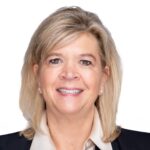
Marti Taylor has served as CEO of OhioRISE and Vice President at Aetna, a CVS Health company, for the past three years. OhioRISE is a specialty Medicaid plan that supports more than 65,000 youth with behavioral health needs across the state of Ohio. In this role, Marti has been instrumental in improving the lives of members by expanding access to innovative, community-based services statewide, including Intensive Home-Based Services and Psychiatric Residential Treatment Facilities. The outcomes of this unique program are not only showing excellent clinical and social outcomes but also bending the cost curve.
Marti joined Aetna/OhioRISE after serving as President and CEO of OneFifteen and as Executive Director of Behavioral Health at Verily. In these roles, she led a cross-disciplinary team dedicated to modernizing addiction care through an innovative partnership with Verily, the life sciences division of Google. The Dayton-based treatment center helped thousands of individuals battling the disease of addiction.
Prior to founding OneFifteen, Marti built a distinguished career leading premier academic medical centers, advancing clinical care through research, teaching, and quality improvement. Until 2018, she served as CEO of University Hospital and the Ross Heart Hospital at The Ohio State University Wexner Medical Center.
Earlier in her career, Marti spent 25 years at Duke University Health System, where she began as a staff nurse in the Cardiac Intensive Care Unit at Duke University Hospital. Over time, she advanced into senior leadership roles, ultimately overseeing all aspects of the health system’s Heart Center across three hospitals and 12 affiliated sites.
Marti holds a Bachelor of Science in Nursing from Capital University and a Master of Science in Nursing from Duke University. She currently serves on the Board of Directors for The Commonwealth Fund and the Duke School of Nursing Board of Directors; she is the immediate past Chair of the Board of Trustees for Capital University. In addition, she is a founding member of the Ohio Institute for Substance Use Disorder Excellence. Her extensive board service also includes the Dayton Development Coalition, Ronald McDonald House Charities of Central Ohio, MedFlight, and the American Heart Association, along with other volunteer board positions. In March 2025, Marti received the Distinguished Alumna Award from the Duke University School of Nursing. She resides in Dublin with her husband, Rodney, and their two sons, Zachary and Andrew.
Mergers & Alliances: The Evolving Role of The CFO In Organizational Growth – M&A, Collaborations & Partnerships
As consolidation accelerates across the behavioral health landscape, CFOs are playing an increasingly strategic role in shaping the future of their organizations. This session examines how financial leaders can guide mergers, acquisitions, affiliations, and cross-sector partnerships that strengthen market position, expand service capacity, and advance mission-driven growth.
Participants will explore the full lifecycle of partnership development– from assessing organizational readiness and conducting rigorous financial and operational due diligence to structuring deals that balance risk, value, and long-term sustainability.
This session will provide:
- Emerging trends in collaborative models, including payer-provider partnerships, joint ventures and alliances that enhance care integration and access
- Practical tools to evaluate strategic fit, model financial impacts, lead negotiations, and communicate partnership value to internal and external stakeholders
- The insight needed to navigate complex decisions and drive successful, future-focused organizational strategy
Robert C. Dunne, CPA

Robert C. Dunne, CPA, has held the role of Devereux’s senior vice president and chief financial officer, treasurer since 2008. Dunne is responsible for the organization’s financial performance, as well as setting and implementing financial strategy and procedures across all centers. He also oversees all facility-related matters.
Dunne joined Devereux in 1992 and, since that time, has served in roles of increasing responsibility. Before joining the organization, he spent nine years at international accounting firm Ernst & Young, most recently in the role of senior manager.
Dunne holds a Bachelor of Science in accounting from La Salle University, and he earned his Certified Public Accountant certificate in 1985. He serves as an officer for substantially all Devereux affiliates, and participates on several nonprofit boards outside of Devereux.
Thomas Grant
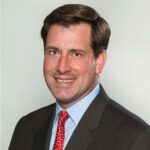
Tom Grant was appointed Chief Financial Officer for Woods System of Care in March, 2016. Mr. Grant engages in short and long-range strategic and operational growth planning for the organization. He brings more than 20 years of finance and strategy consulting experience to the organization. Prior to coming to Woods, he ran his own management consulting firm specializing in efficiency initiatives, leadership, strategic planning, turn-arounds, and business development needs of both non-profit organizations and for-profit businesses. In this role, he served as the Chief Financial Officer for Archway Programs in New Jersey.
Before launching his own company, he held similar management consulting positions with a number of business development companies. Mr. Grant has counseled clients on a wide range of topics including process optimization, cash flow management, fund raising, structure, best practices, profitability and pricing arrangements. He also has worked as an emerging markets analyst in Thailand, Hong Kong, and a number of South American countries. Mr. Grant holds an MBA from the Darden School of Business of the University of Virginia and a bachelor’s degree from Davidson College.
Being An Executive Leader Is A Team Sport – Building Your Executive Team Bench Strength
In a behavioral health environment defined by rapid change and workforce pressures, organizations are investing in their leadership pipelines today to ensure stability, continuity, and growth tomorrow. Join this session to explore how executive leaders can intentionally build bench strength by identifying high-potential talent, developing future leaders, and creating a culture of accountability and advancement. Learn practical strategies for strengthening your leadership pipeline, preparing emerging leaders to operate in a high-change environment, and aligning talent development with long-term organizational strategy.
Attendees will gain insights into:
- Recognizing and using the strengths of each team member
- Preparing future leaders to navigate growth, transformation, and market disruption
- Implementing effective succession planning for key executive and critical roles
Luanne Welch

Luanne Welch is the CEO of Easterseals PORT Health (ESPH), a leading disability, mental health & substance use service provider, committed to helping children, adults & their families across North Carolina and Virginia.
With more than 40 years of non-profit leadership experience in the health and human services industry, Luanne is a respected advocate, collaborator and turn-around leader. She has a proven track record of reorganizing financially challenged organizations and positioning them for sustained, healthy growth. Her expertise includes portfolio management, service line and financial analysis, strategic execution, and leadership development. Purpose driven and community focused, Luanne is committed to expanding access and opportunity in the workforce.
Prior to leading ESPH, Luanne was the President & CEO for Easterseals South Florida and has held various leadership positions within Easterseals, including the North Carolina affiliate and National Office.
Luanne earned her bachelor’s degree from North Carolina State University and currently serves as an Advisory Board Member for Open Minds and a Provider Council Member for Trillium Health Resources.
David Ross

David Ross joined Benchmark in 1992 as part of a transition grant to consult with local schools about post-high school planning for special education students. After the grant ended, he was hired to oversee employment programs at Benchmark. David served as Vice President, overseeing corporate-wide Community Employment Services, Supported Living and Day Services in Maryland, New Jersey, and Ohio until 2022. In 2022 he was named Chief Operating Officer overseeing day-to-day operations and helping to execute Benchmark’s long-term goals and growth strategy.
David helps develop and lead corporate management training and helps guide corporate-wide Outcome Measures Systems.
David holds a bachelor’s degree in sociology from Huntington University and a master’s in science of management from Indiana Wesleyan University.
Eric Weeks

Eric Weeks serves as Vice President of Human Resources for Benchmark Human Services, a leading human services organization headquartered in Fort Wayne, Indiana. He oversees all aspects of the organization’s human resources function, including talent acquisition, employee relations, compensation and benefits, training and development, compliance, workers’ compensation, workplace safety, and employment practices.
During more than 20 years with Benchmark, Eric has helped drive the organization’s significant growth, expanding from approximately 1,300 employees serving people in three states to nearly 4,000 employees providing services across 20 states.
Eric is a former co-chair of the Indiana Association of Rehabilitation Facilities (INARF) Human Resources Committee and is a member of the Society for Human Resource Management (SHRM).
He earned a bachelor’s degree in General Studies from Indiana University Kokomo.
The Revenue At Risk When Coverage Changes: A CFO Readiness Check On H.R. 1
Most finance teams can name their payer mix down to a percentage point. Far fewer can say how much revenue sits behind the consumers most likely to lose coverage, or how fast that revenue would go. The difference is not awareness of policy change itself – it is operational readiness to understand the financial exposure and respond before it impacts performance.
This panel runs the readiness check out loud. We’ll dive into how H.R. 1 is changing Medicaid eligibility, what a finance function needs in place to see the exposure early, and what organizations proactively setting themselves up for coverage changes are doing today.
Attendees will leave with:
- A gameplan for applying proactive strategies to prepare for eligibility changes and ultimately protect the bottom line
- An assessment of the financial impact of Medicaid eligibility changes on revenue and operational stability
- A realistic view of how H.R. 1 is reshaping Medicaid eligibility requirements and what those changes mean for leaders of finance teams
Brett Darby

Brett Darby serves as Vice President of Revenue Cycle Client Development at Netsmart, where he leads growth and go-to-market strategies for the organization’s RCM division. He partners with human services leaders nationwide to help improve financial performance through a combination of technology, services and operational expertise. With more than two decades of healthcare technology and client development experience, Brett is focused on helping organizations achieve measurable and sustainable revenue cycle outcomes.
Krista Logan, J.D., MHSA

Krista Logan, J.D., MHSA, serves as Manager and Lead Regulatory Strategist of the Regulatory Strategy team at Netsmart, where she leverages her expertise in health care and law to drive strategic regulatory initiatives. She holds a Master’s in Health Services Administration and a Juris Doctor of Law from the University of Kansas. At Netsmart, she leads health IT regulatory research, education, and policy advocacy focused on interoperability, information blocking, and ONC Health IT Certification. In her role, she engages with federal and state agencies, industry associations, and provider stakeholders to elevate health IT developer and provider perspectives, translate regulatory and policy developments into actionable requirements, and support practical, technology‑enabled compliance across the Netsmart care continuum.
The CFO As System Architect: Rebuilding Finance Operations Around A New ERP
Most finance leaders inherit an accounting system someone else chose. Replacing it is one of the few decisions a CFO fully owns, and it sets what the finance team can and cannot do for the next decade.
This session follows an I/DD CFO through that rebuild, from the realization that a change is needed, through go-live and the months after. Attendees will hear what the organization got right, what it would do differently, and where the capacity gains exceeded expectations.
Attendees will leave with:
- A read on when an aging accounting system has become the constraint on growth, and how to make that case to a board
- The sequence of a full implementation, including the internal staffing and hours the project requires
- Where finance team capacity is recovered after go-live, and how long it takes to begin seeing the return
Adam B. Shuster, CPA, CIA, MBA

Adam Shuster is Chief Financial Officer of Incompass Human Services, a $60 million nonprofit organization supporting individuals with intellectual and developmental disabilities, autism, acquired brain injuries, and other complex needs throughout Northeastern and Central Massachusetts.
Since joining Incompass in 2018, Adam has served as a member of the Executive Leadership Team, helping shape both the organization’s financial direction and overall strategy. His responsibilities extend well beyond traditional finance, with Adam playing an active role in organizational strategy, planning, operations, and long-term sustainability.
Adam played an integral role in the planning and execution of the merger of LifeLinks, Inc. and CLASS, Inc., which created Incompass Human Services. He also led efforts that secured more than $10 million in pandemic-era relief funding, helping strengthen the organization during an unprecedented period.
Adam brings more than 20 years of nonprofit executive leadership experience to his role. Prior to joining Incompass, he held senior financial leadership positions with the American Lung Association of the Northeast and Easter Seals Massachusetts, with a focus on financial strategy, organizational restructuring, operational efficiency, and continuous process improvement.
A Certified Public Accountant and Certified Internal Auditor, Adam earned his MBA with high honors and his Bachelor of Science in Business Administration, magna cum laude, from Boston University. He also has a longstanding commitment to public service in his hometown of Ashland, Massachusetts, where he has served as Town Moderator since 2011.
Nimble Strategy – Leadership Agility In A Changing Market
Market conditions are changing faster than most strategic plans can absorb. In this closing keynote, Monica E. Oss, Chief Executive Officer of OPEN MINDS, presents a leadership approach to staying agile and ensuring your strategy is evolving as the market moves.
Attendees will leave with:
- The AI factor in leadership
- Best practice strategy development in a changing market: metrics-based, scenario-informed, iteratively updated
- Strategy implementation, iterative sprints in the midst of turbulence: assessing energy, competency, and bandwidth for new initiatives
- A framework for leadership in the midst of the unexpected: a two-stage realignment process of financial impact assessment and operational analysis
Monica E. Oss

Monica E. Oss, M.S. is the founder of OPEN MINDS and serves as its chief executive officer, executive editor of its publications and websites, and executive lead of its consulting engagements. For the past three decades, Ms. Oss has led the OPEN MINDS team and its research on health and human service market trends and its national consulting practice. She is well known for her numerous books and articles focused on the strategic and marketing implications of the evolving health and human service field – and its focus on the verticals of the field serving consumers with chronic conditions and complex support needs.
Ms. Oss has extensive experience in developing and implementing growth strategies for a wide array of organizations in the field. She has expertise in industry trend analysis, reimbursement and rate setting, and creating actionable plans for market success. In her role, she has led numerous engagements with state Medicaid plans, county governments, private insurers, and health plans, service provider organizations, technology vendors, neurotechnology and pharmaceutical organizations, and investment banking firms – with a focus on the implications of financing changes on delivery system design.
Prior to founding OPEN MINDS, Ms. Oss served as an executive with a nationally managed behavioral health organization, responsible for market development, actuarial analysis, and capitation-based rate setting. She also held a position as vice president of the U.S. risk management and underwriting division of an international insurance company.
Ms. Oss has been the keynote speaker at the conferences of dozens of national associations and has been published in a wide range of professional journals and trade publications. She has provided Congressional and state legislative testimony on issues as diverse as the financial impact of parity and payer medication access policies.
Ms. Oss has led a range of industry research and consultation initiatives, serving as principal investigator on research projects that include the examination of national managed care enrollment and service patterns, development of provider rate structures for government entities, creation of return-on-investment models for technology investments; design of performance-based compensation models within public and private health plans; and analysis of the economic impact of changes in benefit design, adoption of evidence-based practices, and new technologies.